Each year, as the fortnight of Pitru Paksha arrives, families across India turn quietly toward those who came before them - offering water, food and remembrance through the rites of shraddh and tarpan. From the outside, it can look like ritual for its own sake: sesame and water poured into cupped hands, small rice balls set out, a priest’s murmured verses. But beneath it, the tradition describes something quite precise - a journey, made in three movements, that a departed soul is helped to complete.
The scriptures name these three stages tripti, shreya and moksha: satisfaction, spiritual progress, and ultimate liberation. Understood together, they turn a set of unfamiliar customs into something deeply human - the care of the living for the loved ones they can no longer see, and, quietly, the lightening of their own path in doing so.
Tripti - Satisfaction and Nourishment
Tripti means complete contentment. When a person passes on, it is held that the subtle body - the sukshma sharira - may still carry the residue of earthly life: hunger, thirst, unfinished attachment. The first act of care, then, is simply to nourish and settle it.
This is the purpose of tarpan - the offering of water mixed with black sesame and kusha grass - and of pind daan, the offering of rice. The aim is not transaction but tenderness: to pacify the restless energy of the departed, to free them from immediate cravings, so they may rest peacefully in the ancestral realm, the Pitru Loka. Before anything else can be offered a soul, it must first be put at ease.
Shreya - Spiritual Progress and Well-being
Shreya is the lasting good - virtue, merit, onward spiritual movement - and the tradition draws a careful line between it and preya, the merely pleasant. Where preya is comfort, shreya is elevation.
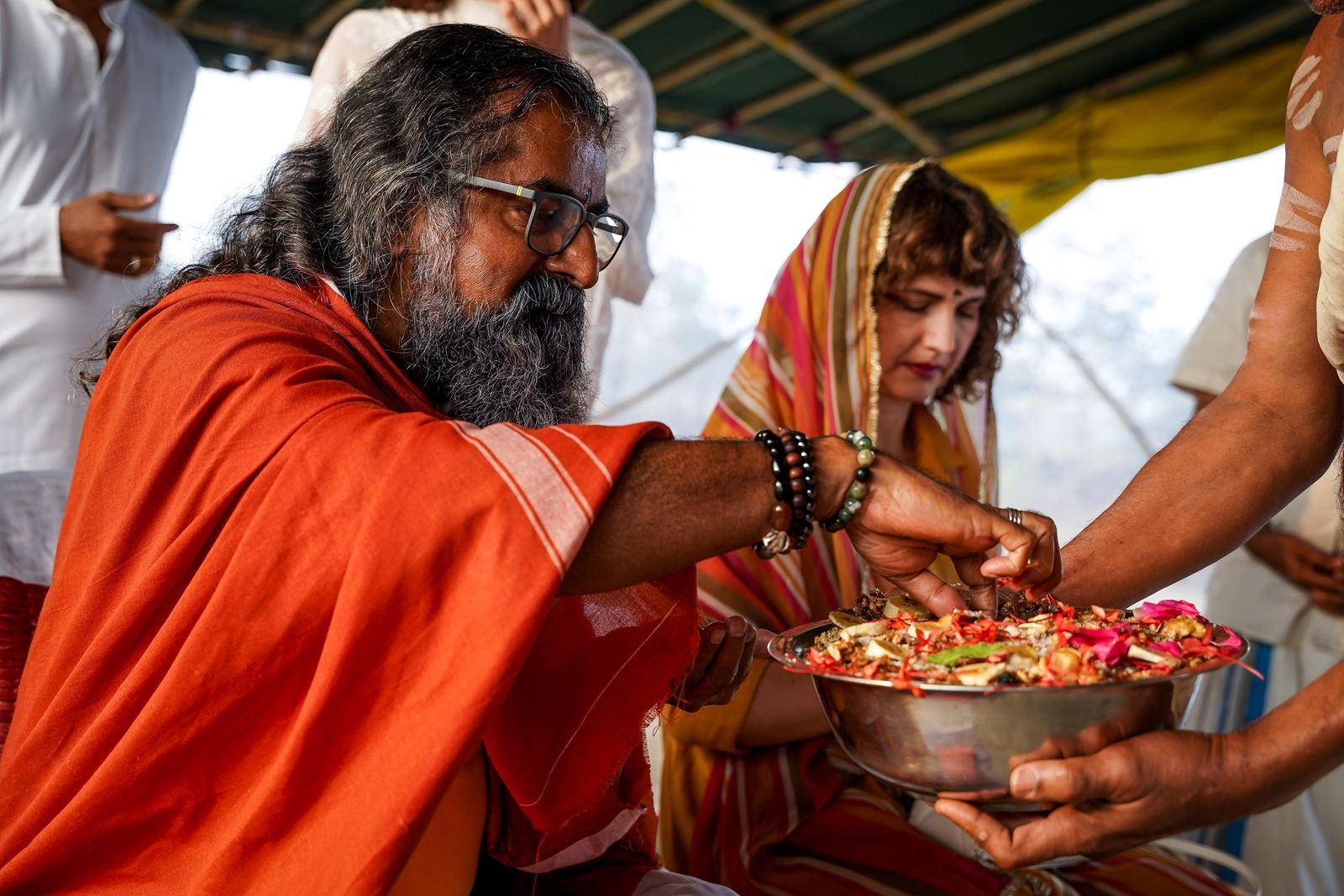
Here the living play a direct part. By performing good deeds, charity (daan), and above all by feeding the needy, the animals and all beings in an ancestor’s name, descendants gather punya - spiritual merit. That merit is offered onward, becoming the fuel a soul needs to clear its karmic debts and rise from lower planes toward higher, more luminous realms.
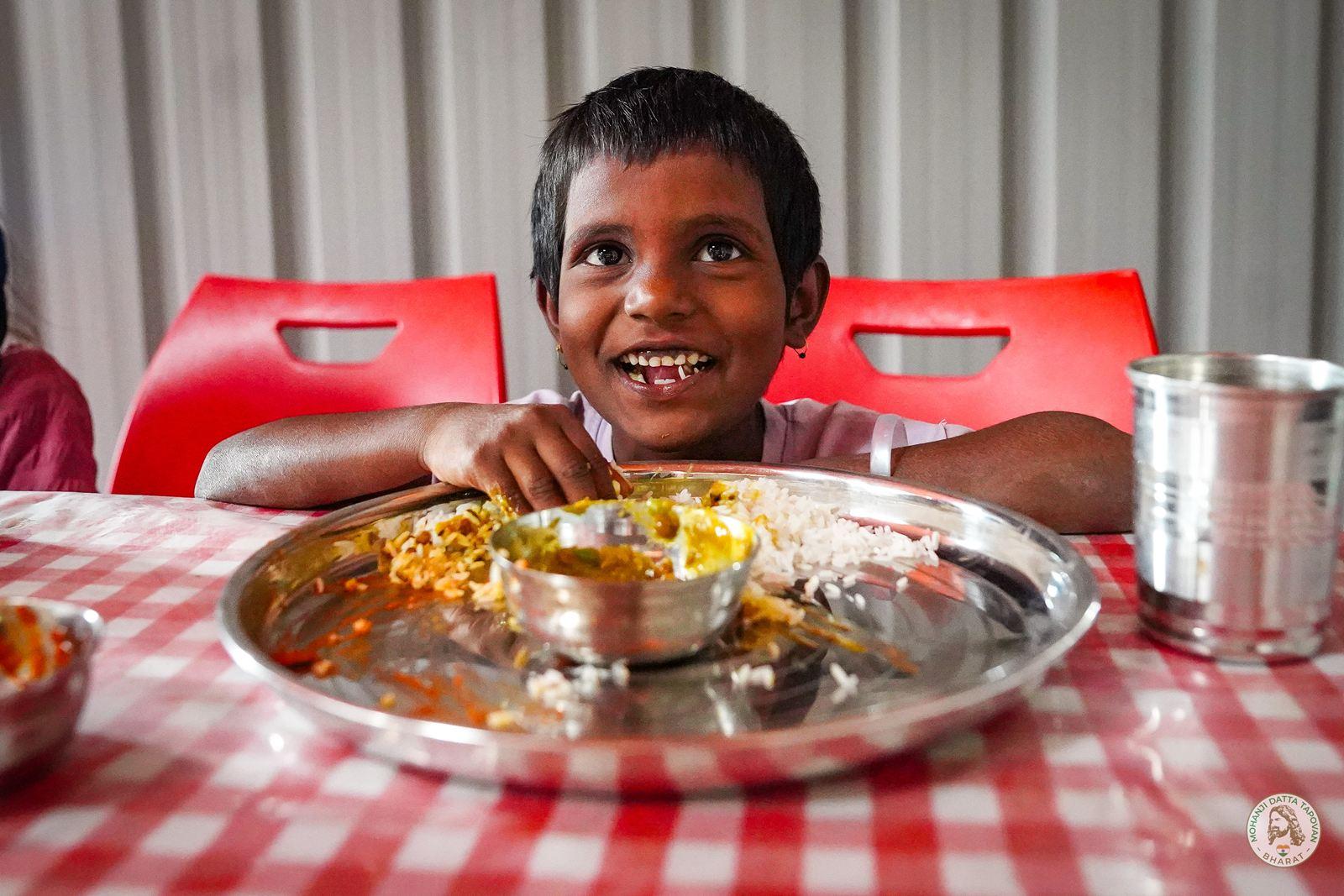
It is here that the life of this ashram meets the scriptures most plainly. Every plate served at the Mohanji Annakshetra - offered first at the altar, then to whoever arrives hungry - is shreya made visible. To sponsor annadaan in the name of one who has passed is not symbolism; in the understanding of the tradition, it is help, actually extended, to a soul still on its way.
Annadaan is mahadaan - the highest form of charity. Take care of your family, but also do what you can for society, thus reducing the intensity and weight of your own existence, family and lineage. - Mohanji
Moksha - Ultimate Liberation
Moksha is the final destination: complete release from the cycle of birth, death and rebirth. The most extensive of the Vedic rites - the Tripindi Shraddh, the recitation of the Gajendra Moksha paath - are offered with this ultimate aim, that the ancestor may at last be free.
A soul that attains moksha sheds every worldly attachment, resolves the last of its ancestral karmic baggage, and merges back into the Supreme Consciousness. It no longer wanders, no longer suffers. In the beautiful turn the tradition takes, such a soul becomes something more than at peace: it becomes a pure source of blessing, flowing back down through the lineage that helped set it free.
The Flow - and Why It Lives Here
The three move in sequence. First you satisfy the immediate thirst and hunger of the departed (tripti); then you elevate their spiritual standing and clear their path (shreya); and ultimately you help free them, eternally, from earthly bondage (moksha). Remembrance, merit, release.
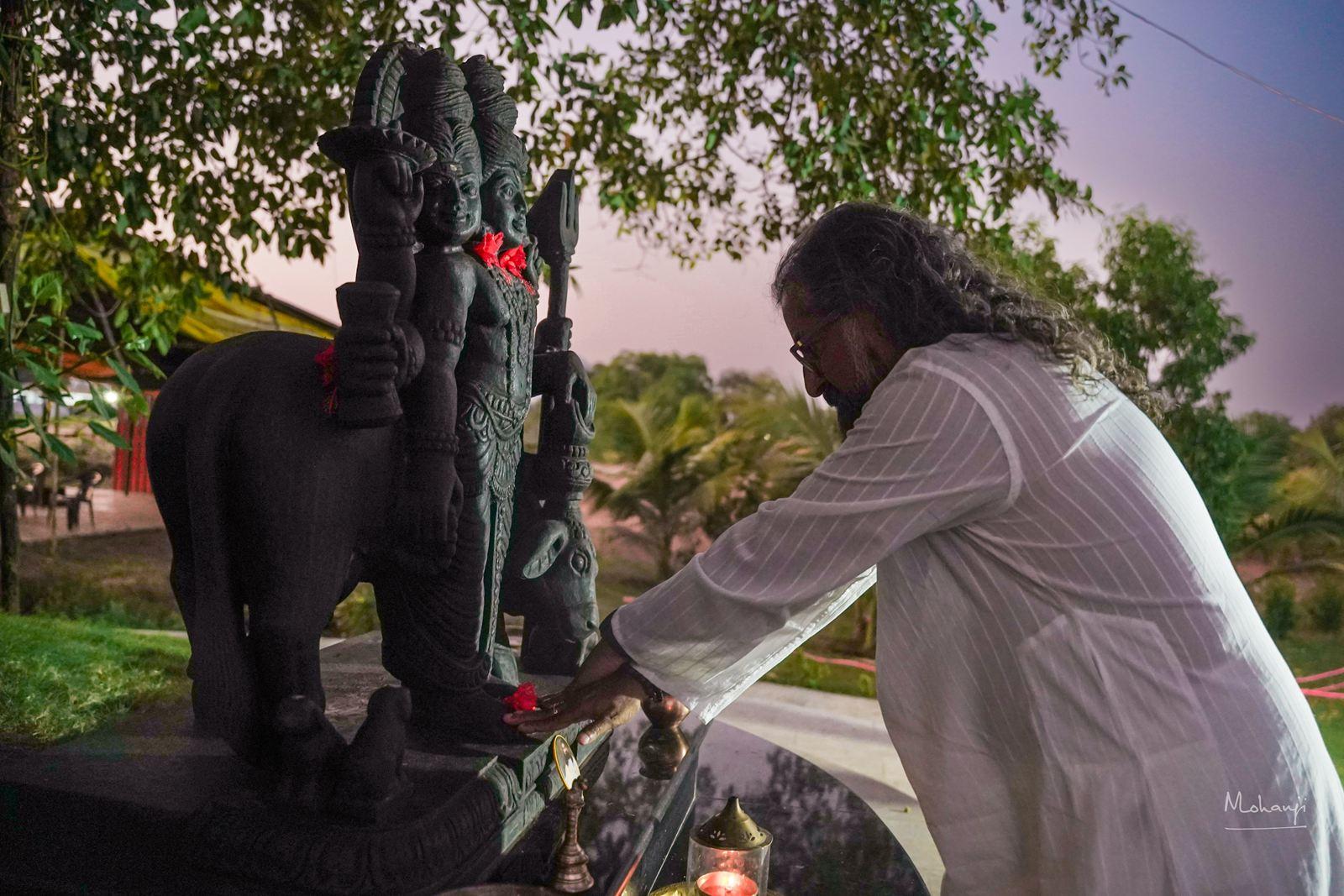
At Mohanji Datta Tapovan, this is not an abstraction. The land itself is held to be a Deva Bhoomi - God’s own space, a moksha dhaam. The Annakshetra lets no one, seen or unseen, go hungry. The yagna shala burns lineage and karmic baggage in its daily fire. To care for our ancestors here is, in the end, inseparable from caring for ourselves and for those still to come - one unbroken line of giving, flowing both ways through time.